Sunday, May 18, 2014

Chrysler Town and Country S, 2013

Chrysler Town and Country S, 2013, Luxury Automobiles Chrysler Town and Country S, 2013, Luxury Automobiles
 Chrysler Town and Country S, 2013, Luxury Automobiles Chrysler Town and Country S, 2013, Luxury Automobiles
 Chrysler Town and Country S, 2013, Luxury Automobiles
Chrysler Town and Country S, 2013, Luxury Automobiles Chrysler Town and Country S, 2013, Luxury Automobiles
  Chrysler Town and Country S, 2013

The Chrysler - the inventors of the minivan - is bringing modern design to the segment with the 2013 Town & Country S model. Debuting at the 2012 Los Angeles International Auto Show, the Chrysler Town & Country S is the latest "S" model in the Chrysler line-up, joining the 200 sedan and convertible and 300 sedan. The Chrysler Town & Country S gets exterior and interior enhancements as well as some standard equipment commonly associated with top-line models.

The interior features a monotone black interior unique to the Chrysler Town & Country S. It starts with the Black Torino leather seats with an "S" logo embroidered in the seat backs and black Ballistic cloth seat inserts. The seats also feature grey stitching as do the door armrests. Piano Black gloss appliques are found on the instrument panel and on the spokes of the black leather-wrapped steering wheel, and the Chrysler Winged badge on the wheel matches the black background-look of the exterior badging. Finishing interior touches include a black headliner and upper consoles, black center console and an "S" logo in the instrument cluster.

The segment-exclusive dual-screen Blu-Ray DVD system with HDMI input, two USB recharging ports, a 12v outlet and a 115v two-prong outlet is standard. This system, new for 2013, allows rear seat passengers to view standard and Blu-Ray DVDs or to play a high-definition video game system on the new, higher definition, screens. Wireless headphones allow back seat passengers to enjoy this state-of-the-art system without forcing front seat passengers to hear the accompanying audio.

The 2013 Chrysler Town & Country S also features a performance suspension that adds a new level of handling dynamics to the driving experience, yet still provides a comfortable ride that's expected in a luxury minivan.

Town & Country's award-winning power train delivers best-in-class horsepower without sacrificing fuel efficiency. The 3.6-liter Pentastar V-6 engine is a two-time "Ward's 10 Best Engine" winner and produces 283 horsepower and 260 lb.-ft. of torque. The V-6 is mated to the 62TE six-speed automatic transmission. A fuel economizer mode helps the driver maximize fuel efficiency, and premium, lower-rolling-resistance tires, and low-drag brake calipers and rear bearings make great fuel economy possible. Chrysler Town & Country achieves 17 miles per gallon (mpg) in the city, 25 on the highway.

The 2013 Chrysler Town & Country offers over 40 available safety, security and technology features, providing customers the safety they expect to ensure peace of mind when traveling. Standard safety features include Park View rear back up camera, front seat-mounted air bags, a driver-side inflatable knee blocker, advanced multi-stage driver and front passenger air bags, side-curtain air bags for all three rows, and electronic stability control, including Brake Assist and all-speed traction control. Optional on Touring and standard on Touring L and Limited models is the Safety Tec Group consisting of rain-sensitive windshield wipers, Smart beam headlamps, Park Sense rear park assist system, Blind-spot Monitoring and Rear Cross Path detection.
Read More

Friday, May 16, 2014

Chevrolet Camaro Z28, 2014

Chevrolet Camaro Z28, 2014, Luxury Automobiles
 Chevrolet Camaro Z28, 2014, Luxury Automobiles Chevrolet Camaro Z28, 2014, Luxury Automobiles
 Chevrolet Camaro Z28, 2014, Luxury Automobiles Chevrolet Camaro Z28, 2014, Luxury Automobiles
 Chevrolet Camaro Z28, 2014, Luxury Automobiles Chevrolet Camaro Z28, 2014, Luxury Automobiles
 Chevrolet Camaro Z28, 2014

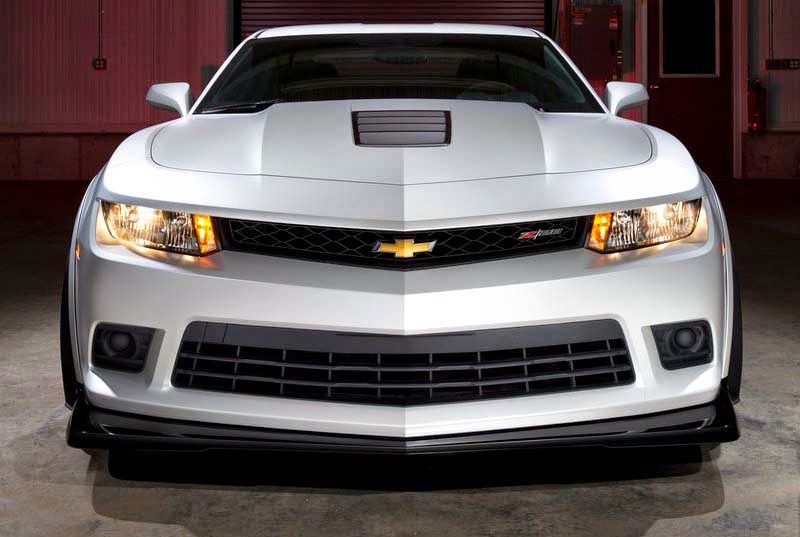
The 2014 Camaro models feature a revised exterior design that integrates high-performance aerodynamics for more efficient cooling and stability at high speeds. The new Chevy Camaro Z/28 also features a full aerodynamics package that creates downforce at speed, which helps make it the most track-capable offering in Camaro's history.

The first Camaro Z/28 was introduced in 1967, created to compete in the Sports Car Club of America's Trans-Am 2 class. It featured a smaller, lighter, 302-cubic-inch V-8 for improved weight balance, as well as quick-ratio steering and a heavy-duty suspension for track use. In keeping with its road-racing focus, the 1967 Camaro Z/28 was not available with an automatic transmission or air conditioning.

While the new Camaro Z/28 is not intended to compete in a specific race series, it is solely focused on track capability. In initial testing, the Camaro Z/28 is three seconds faster per lap than the Camaro ZL1. That extra speed comes from three areas:
  • Increased grip: The Z/28 is capable of 1.05 g in cornering acceleration, due to comprehensive chassis revisions
  • Increased stopping power: the Z/28 features Brembo carbon-ceramic brakes capable of 1.5 g in deceleration, and consistent brake feel, lap after lap
  • Reduced curb weight: The naturally aspirated Z/28 weighs 300 pounds less than the supercharged Camaro ZL1, with changes ranging from lightweight wheels to thinner rear-window glass

Like the original, the 2014 Chevrolet Camaro Z/28 is offered only with a manual transmission. In a nod to modern convenience, air-conditioning is available, but only as an option.
The new 2014 Camaro line will arrive at Chevrolet dealers later in 2013. The Camaro Z/28 is expected to be appearing at track events across the United States in spring 2014.

High-performance aerodynamics highlight changes for 2014 Camaro
The 2014 Camaro represents the most significant redesign since the introduction of the fifth-generation Camaro as a concept car in 2006.

Compared to the previous model, the design represents a strong visual change front and rear, resulting in a wider, lower, more contemporary appearance. The front fascia features a wider lower opening, and a narrower upper opening that also updates the appearance of the iconic "halo ring" HID headlamps on the Camaro RS package. The functional hood vent on the Camaro SS helps reduce heat and aerodynamic lift. Moving to the rear, the sculptural decklid, horizontal lamps and diffuser complete the powerful statement.

The Camaro Z/28 also features a full aerodynamic package designed to produce downforce at track speeds. At the front, the Z/28 features a large splitter, connected to an underbody panel that further reduces lift. In profile, the Z/28 features fender flares over the front and rear wheels, as well as extended rocker panels that contribute to aerodynamic stability. An aggressive rear spoiler and functional diffuser complete the aerodynamic package.

On the interior, the Camaro Z/28 features trim in a distinctive, matte-metallic finish named Octane, the ZL1 flat-bottomed steering wheel, and standard Recaro seats with microfiber suede inserts. The new seats (also available on the coupe versions of the SS and ZL1 models), feature aggressive bolsters for high-performance driving, as well as seat cutouts inspired by the five-point harnesses found on racing seats. To save weight, both front seats incorporate manual adjustment.

The rear seats of the Z/28 have also been modified for weight reduction. A total of nine pounds (four kilograms) was saved by eliminating the seat-back pass through, as well as using high-density foam in place of the rigid structure of the seat back and steel mesh of the seat bottom.

7.0L, LS7 the heart of the Camaro Z/28's track-capable performance
Like the original, the new Chevrolet Camaro Z/28 forgoes ultimate horsepower and torque for improved weight balance and track performance.

In 1967, the most-powerful engine available in a factory Camaro was a 396 cid V-8 with 375 horsepower. To prepare the Camaro Z/28 for road racing, engineers specified a lighter, 302 cid V-8, officially rated at 290 horsepower. While the 302 was not the choice for drag racers, it proved ideal for sports-car racing.

Today, the most-powerful engine offered is the Camaro ZL1's supercharged 6.2L LSA, which delivers 580 horsepower. The heart of the 2014 Camaro Z/28 is the lighter, naturally aspirated 7.0L LS7 first introduced in the Corvette Z06.

Co-developed with Corvette Racing, the hand-assembled 7.0L (427 cid) V-8 uses a number of high-performance components:
    Titanium intake valves and connecting rods, and sodium-filled exhaust valves
    CNC-ported aluminum cylinder heads
    Forged-steel crankshaft and main bearing caps
    High-lift camshaft
    Hydroformed exhaust headers
    11.0:1 compression ratio, and a 7,000 rpm redline.
    10.5-quart, dry-sump oiling system

For the Camaro Z/28, the LS7 features unique induction and exhaust systems, and delivers at least 500 horsepower (373 kW) and 470 lb-ft of torque (637 Nm).

The racing-style, cold-air induction system and large K&N air filter provide maximum air flow.

The standard dual mode exhaust system and larger-diameter pipes enable improved air flow. By bypassing the mufflers during acceleration, the system increases both the torque and sound generated by the LS7 engine.

The Camaro Z/28 is exclusively offered with a Tremec TR6060 manual transmission. The 6-speed features close-ratio gearing and 3.91:1 final drive ratio, both optimized for the power characteristics of the LS7.

Power is distributed to the rear wheels via a limited-slip differential featuring a helical gear set, rather than traditional clutch packs. The new design enables the driver to apply more power and get through corners faster, by continuously adjusting the torque bias to maximize available traction.

The differential works in unison with Chevrolet's proprietary Performance Traction Management system, which allows drivers to adjust the level of throttle and brake intervention to match their capability and driving environment.

A second liquid-to-liquid system provides cooling for the transmission and differential. This system pumps overcooled transmission fluid to a heat exchanger in the rear differential before traveling to the transmission. This reduces differential temperatures as much as 100 degrees F.


Read More

Caterham Supersport R, 2013

Caterham Supersport R, 2013, Luxury Automobiles
 Caterham Supersport R, 2013, Luxury Automobiles Caterham Supersport R, 2013, Luxury Automobiles
 Caterham Supersport R, 2013

The Caterham has added to its iconic range of Sevens, giving the acclaimed Super sport a steroid-induced brother - the two-litre Caterham Super sport R, which packs 180bhp and track-bred dynamics.
Like the standard Super sport, the new edition has many circuit-orientated performance essentials, but gains a bigger engine and a five-speed gearbox to boost outright performance significantly.

Designed to sit immediately above its 1.6-litre sibling in the Seven range, the new adaptation's 2-litre Ford Duratec engine has proven its durability and performance on the track, having been developed during three years in Caterham's R300 race championship.

Competitively priced at £24,995 (incl tax) in self-build form or £27,995 fully-built, the new model benefits particularly in mid-range 'punch' and features a 25% power increase on the Super sport, as well as 5bhp more than the R300 road car.

The Caterham Cars announced a bold new joint venture engineering partnership this week with Renault, which will result in a range of brand new vehicles, starting with an ambitious 'everyday' sportscar that will deliver the brand's 'accessible fun' philosophy to new markets. But the Caterham Super sport R shows the firm's continuing commitment to develop the iconic Seven, which it has been engineering and building for nearly 40 years.

The front-mounted Caterham-developed Ford Duratec engine pairs up with a limited-slip differential to further enhance its performance credentials.
Meanwhile, grippy Avon CR500 tyres, Supersport dampers and race springs ensure the car's handling is highly-focussed but still supple enough for the road.

Weighing just 535kg, the new vehicle extends the Super sport line, which already includes road and track versions of the 1.6-litre model.

Inside the cabin, a bespoke Super sport steering wheel, integrated change-up light, composite race seats and four-point race harnesses complete the track-inspired experience. Naturally, an aero screen comes as standard.

The Caterham Super sport R's DNA stems from the Caterham Super sport Championship, which is the fourth rung of its motorsport 'ladder' and is Caterham's fastest-growing series.
Read More

Thursday, May 15, 2014

BMW 4-Series Coupe, 2014


 BMW 4-Series Coupe, 2014

The launch of the new BMW 4-Series Coupe marks the arrival of the fourth generation of BMW's sporty premium mid-size Coupe. The BMW 4-Series Coupe Concept, which celebrated its world premiere at the NAIAS 2013 in Detroit, previewed the evolutionary development of BMW's design language. And now this progression is enshrined in the series-production model. The BMW 4-Series Coupe represents the epitome of aesthetic appeal and sporty dynamics in the premium segment and reinforces the company's claims to leadership in the international marketplace. Its stylistic features carry the promise of a powerful presence on the road, stand-out dynamic ability and unbeatable driving pleasure. Indeed, the new BMW 4-Series Coupe represents a paragon of balanced proportions and the final chapter in a story of development. The "4" in its title headlines this new era for the Coupe and emphasises not only its stand-alone design, but also its even sharper sporting dynamics, increased exclusivity and clear technical differentiation from the BMW 3-Series range. At the same time, BMW is using the new nomenclature to latch onto the fine tradition established by the large BMW 6-Series and BMW 8-Series Coupes.

The athletic elegance, impeccable proportions
The dynamic proportions of the new BMW 4-Series Coupe differ significantly from those of the outgoing BMW 3-Series Coupe. Although only 26 millimetres have been added to the car's length (4,638 mm), a 50-millimetre longer wheelbase (2,810 mm) and a roofline that now runs 16 millimetres lower than before (1,362 mm) shine a particularly vivid spotlight on the dynamically stretched coupe outline. These dimensions combine with the BMW 4-Series Coupe's BMW-typical short overhangs, long bonnet, set-back passenger compartment and flowing roofline to produce a silhouette boasting impeccable visual balance. The athletic appearance of the BMW 4-Series Coupe is rounded off by the 43-millimetre increase in the Coupe's width (1,825 millimetres). For the first time, the rear wheel arches mark the car's broadest point - a clear statement of dynamic intent. The resultant 45-millimetre-wider front track (1,545 mm) and full 80 millimetres of extra width at the rear axle (1,593 mm) promise - before so much as a wheel is turned - further improvements in the already superlative sporting characteristics for which BMW is renowned.

Eye-catching front end with prominently sporting contours. Signature BMW front-end design features, such as the double-kidney grille and twin circular headlights, identify the BMW 4-Series Coupe as a BMW without the need for a second glance. Indeed, it is undeniably keen to show off its close family ties with the BMW 3-Series. However, the BMW 4-Series Coupe displays a more sporting approach to its work, underlining its dynamic convictions. The car's head-turning front end is a demonstration of precise contours and multifaceted surfaces. The eye-catching full-LED twin headlights (optional), with their hexagonal design, team up with the slightly forward-slanting BMW kidney grille to form a single stylistic unit and strengthen the athletic presence of the BMW 4-Series Coupe on the road. Below the headlight line, the BMW 4-Series Coupe features a large air intake in the front apron. Its extremely width-accentuating design creates the impression of a sporty three-way split. On the far left and right-hand edges of the air intakes are the additional, aerodynamically motivated small vertical apertures for the Air Curtains. These vents improve the airflow around the outside of the front wheels and lead to a reduction in fuel consumption at higher speeds.

Flowing lines shape the elegantly sporty silhouette
Powerfully taut surfaces and precise, sweeping lines define the athletic outline of the BMW 4-Series Coupe. The gently sloping roofline - a hallmark coupe trait - creates a smooth transition into the rear, stretches the car's overall appearance and elegantly accentuates the sporting profile of the flanks. Added to which, the shallow, homogeneous side window graphic with frameless glass and the signature slimline BMW Hofmeister kink at the trailing edge of the C-pillar generate a dynamic visual tension. Below the windows, the double swage line - made up of two character lines running alongside each other - familiar from the BMW 3-Series teams up with the striking door sill line to strengthen the body's dynamic wedge shape. The small, shrinking shadow below the swage line above the rear wheel accentuates the flared rear wing, emphasising the car's dynamic potential and hallmark BMW rear-wheel drive.

Located just rearwards of the BMW 4-Series Coupe's front wheels are Air Breathers designed to reduce drag around the wheel arches. Together, the Air Breathers and Air Curtains underline the sporting character of the car's design and provide tangible evidence of the innovative aerodynamic solutions devised by BMW as part of its BMW EfficientDynamics development strategy.

Prominently flared wheel arches offer a clear window into even greater sporting ability
The sporting character of the BMW 4-Series Coupe extends into the powerful design of the rear. The prominent horizontal lines and broadly stretched tail lights positioned at the outer edges of the rear draw extra attention to the muscular wheel arches and wide track. The sharply angled rear window has a lowering effect on the car's tail and gives the body as a whole an even more powerful look. It also shows off the car's broad shoulders with satisfying clarity. The L-shaped rear lights of the BMW 4-Series Coupe blend harmoniously into the car's overall design. They continue the path of the swage line from the flanks, creating a seamless link to the rear end.

Exclusivity and dynamic intent dominate the interior
The interior of the BMW 4-Series Coupe blends sporting intent and exclusivity to stylish effect. In the front of the cabin, an approach known as layering - i.e. the clever utilisation of space through the structuring of lines and surfaces into layers - provides a natural canvas for the hallmark BMW driver focus, but is careful not to exclude the front passenger from the action. All the controls central to driving are arranged ergonomically around the driver and give him or her optimum access to all functions. Automatic belt feeders, a Sports steering wheel, crystal-clear circular instruments in black panel look and the freestanding, flatscreen iDrive monitor underline the sense of functional elegance. The iDrive Touch Controller - within easy reach on the centre console - and the optionally fore-and-aft sliding/folding armrest between the front seats add the finishing touches to the cabin's exceptional usability and comfort.

The dynamic horizontal lines of the instrument panel extend into the optional two-tone door and side panel trim, wrapping around the driver and front passenger in an unbroken sweep and lending the interior an engagingly dynamic feel. The interplay of surfaces and lines in the car's side sections also provides an effective showcase for the typically long coupe doors and, through the continuation of the accent strip, creates a visual connection between the front and rear of the interior. In the rear compartment powerfully contoured seats lend further emphasis to the sporting credentials of the BMW 4-Series Coupe. Recessed head restraints and broad, continuously moulded side supports give the rear bench the appearance of two separate seats.

In the interests of maximising the car's variability, the backrest of the BMW 4-Series Coupe's rear seat bench can be folded down, as an option, in a 40:20:40 split and adapted extremely effectively to suit the requirements of the situation at hand. Folding down the centre segment alone creates a large through-loading facility, which can accommodate several pairs of skis or snowboards while still allowing space for four people on board. (A suitable BMW ski and snowboard bag is available from the BMW Accessories range.) The boot can also be opened remotely using the optional Smart Opener as part of the Comfort Access feature. Here, a short movement of the foot under the centre of the rear bumper is all it takes to raise the tailgate.

Individual equipment variants
High-class material combinations, exclusive colours and individual equipment variants boasting unbeatable quality of workmanship define the premium ambience on board the new BMW 4-Series Coupe. As well as the basic trim level, whose material and colour concept accentuates the more classical side of the car's character, customers have a choice of three other equipment combinations and an M Sport package with which to add individual stylistic touches to the car's exterior and interior. The Sport Line, Modern Line and Luxury Line embody different takes on the car's character, adapting the design and colour scheme for the kidney grille and air intakes, exterior mirror caps, Air Breathers and side window graphic, trim strips in the front and rear apron, door sill strips, model badges on the front side panels, and range of wheel rims to set the car apart externally from the basic trim level.

Sport Line
The Sport Line adds extra depth to the dynamic repertoire of the BMW 4-Series Coupe with a selection of eye-catching exterior body features in high-gloss black. Added to which, the standard high-gloss black B-pillars and black wrap-around window strip lend the car's sporting character even greater punch. Nine strikingly moulded high-gloss black kidney grille slats in a chrome-coloured surround lend the front end a particularly sporty and alert look. The three black air intakes in the front apron and the likewise gleaming black Air Breathers, meanwhile, draw the eye to the car's aerodynamic features. 18-inch or 19-inch (optional) light-alloy wheels - depending on the model - in twin-spoke design provide an extra dose of sporting theatre. From the rear, the BMW 4-Series Coupe with Sport Line can be identified by the black trim strip level with the rear apron and the black exhaust tailpipe embellishers. Inside the car, the contrast between black and red accents, such as the red trim rings in the inner circle of the instrument dials and red contrast stitching on the sports steering wheel, provides the requisite sporting flair. An optional extended equipment variant including coral red leather sports seats, red door panel trim and a red lower section for the instrument panel can be specified exclusively for the BMW 4-Series to take its sporting ambience to another new level.

Luxury Line
Discreet high-gloss chrome touches lend the exterior of the BMW 4-Series Coupe a particularly elegant and exclusive appeal. 11 intricate kidney grille slats with chrome-coloured fronts and matt black sides, two high-gloss double bridges in the front apron's outer air intakes and chrome-coloured Air Breathers all offer classy touches. The gleaming chrome window surround is another visual highlight, while special 18-inch or (optionally) 19-inch light-alloy wheels in multi-spoke design emphasise the extravagance of the Luxury Line. The BMW 4-Series Coupe Luxury Line can be recognised from the rear by a stylish, high-gloss chrome strip in the rear apron and the chrome exhaust tailpipe embellishers. The interior also stands out with various chrome elements, such as the surround for the audio and air conditioning system. High-gloss wood strips, leather seats with distinctive stitching and a choice of two upholstery variants in four classically elegant colours highlight the exclusivity of the Luxury Line. Exclusively available as an option for the BMW 4-Series, Ash Grain anthracite fine wood trim surfaces and a Pearl Gloss Chrome metal inlay round off the Luxury Line features.

Modern Line
High-quality matt chrome exterior trim elements define the contemporary aesthetic of the Modern Line, while the BMW kidney grille with 11 slats in matt chrome, the satinated aluminium Air Breathers, the surrounds for the outer air intakes and the trim strip in the rear apron continue the theme. The standard window surround in satinated aluminium draws attention to the window graphics and blends in seamlessly with the trim elements at the front and rear. 18-inch or (optionally) 19-inch turbine-style light-alloy wheels lend a fresh angle to the exterior design, while the light-coloured dashboard coupled with a steering wheel in dark oyster (both also available in black) create a very special feeling of space. Leather upholstery or cloth-leather combinations in oyster or black, and a choice of four trim surfaces with accent strips in Pearl Gloss Chrome, ensure an appealing interplay between materials.

M Sport package
Customers keen to shine a particularly bright spotlight on the stand-out dynamic qualities of the new BMW 4-Series Coupe will find the M Sport package a tempting proposition. As well as an aerodynamic package, including numerous body components (front apron with large air intake, rear bumper with diffuser, side skirts), and BMW Individual High-gloss Shadow Line trim, the exclusive optional exterior paint shade Estoril Blue metallic ensures an unmistakably sporty appearance and unbeatable road presence - an effect underpinned by 18- or (optionally) 19-inch light-alloy wheels in hallmark M design. Inside the car, features such as M door sill finishers, an M leather steering wheel and an M driver's footrest shape the sporty yet elegant ambience. The driver and front passenger can settle into the Hexagon/Alcantara sports seats with M piping and royal blue contrast stitching offered exclusively as part of the M Sport package. Technical features of this package include M Sport suspension and the optional M Sport brakes in contrasting blue paint finish.
Read More

Bentley Flying Spur, 2014


 Bentley Flying Spur, 2014

Bentley establishes a new luxury performance sedan benchmark with the launch of the new Flying Spur. With its unrivalled blend of effortless driveability, exquisite luxury and craftsmanship, sculpted design and state-of-the-art technology, the new Bentley Flying Spur takes the worldwide success of its iconic predecessor further. Bentley's most powerful four-door model ever makes its global debut at the 2013 Geneva Motor Show.

Bentley's styling team has developed an athletic design for the new Flying Spur that combines traditional Bentley styling cues with a sporting stance and contemporary details. Sharp feature lines complement muscular rear haunches, while LED day-time running lights, dipped headlights and taillights characterise the front and rear profiles. The interior designers have created a luxurious, spacious cabin that dresses advanced acoustic and electronic technologies in exquisite hand-crafted leather hides and wood veneers.

Driver and passengers alike interface with the car and the outside world through touch-screen infotainment, mobile connectivity including Wi-Fi, a Rear Seat Entertainment suite and a new hand-held Touch Screen Remote which allows rear-cabin occupants to control an extensive range of features from the comfort of their seat. An eight-channel, eight-speaker audio system with Balanced Mode Radiators provides high quality sound clarity, with the 1100W Naim® for Bentley premium system available as an option.

Powering the new Flying Spur is Bentley's renowned 6.0-litre, twin turbo W12 engine, coupled to a ZF eight-speed transmission. Developing 625 PS (616 bhp) and 800 Nm of torque, the new Flying Spur features more power than any other Bentley four-door in history. A 14 per cent improvement in the power-to-weight ratio over the outgoing model delivers a breath-taking 0-60 mph time of 4.3 seconds and a top-speed of 200 mph (322 km/h). In the modern Bentley tradition, power is delivered to the road via all-wheel drive with a 40:60 rear-biased torque split for a sure-footed, engaging drive in all road and weather conditions.

Bentley Chairman and Chief Executive, Dr Wolfgang Schreiber, comments: "Bentley's new Flying Spur is the ultimate luxury performance sedan. Our engineers have worked tirelessly to ensure that the Flying Spur is the perfect combination of power, comfort, refinement and hand-crafted quality. Fitted with the very latest technology, the new Flying Spur is equipped both for business and relaxation whilst remaining a car to enjoy from behind the wheel."

A SLEEK AND STRIKING EXTERIOR
The styling of the new Bentley Flying Spur establishes a new design character for Bentley's performance sedan. An elegant direction is reflected by a lower, wider appearance with sharp lines and gently curvaceous surfaces. A lower roof line, deeply sculpted panels, precise feature lines and a muscular rear haunch give the Flying Spur a more aggressive stance and a powerfully dynamic profile.

The front fenders feature a striking new wing vent complete with an elegant Bentley "B" motif. From here, an additional feature line forms a sharply defined edge running from the front wheel all the way to the rear bumper, underlining the shape's dynamic character.

At the front of the car, a more upright chrome grille sits between the pairs of jewel-like LED headlamps. Emphasising the lower, wider stance, the outer lamps are the larger of the two. Beneath the front grille, the lower intake is now full width with no vertical divisions, but instead with a chromed horizontal accent that completes the dramatic face of the new Flying Spur.

At the rear, a longer and lower boot lid lends a more swept appearance to the side profile. Horizontal single ellipse LED tail lamps combine with a new interpretation of the Bentley "Horse Shoe" feature line, now running the full width of the car and encapsulating a graceful concave section.

Beneath the elegant skin of the new Flying Spur, a wide range of materials is applied in an intelligent and efficient manner. Designed to improve overall body stiffness and refinement whilst meeting stringent crash performance targets and pedestrian protection legislation, the new body structure includes reinforcement to the B-posts, sills and front crossmembers together with deformable components in the floorpan for optimal load transfer. A deployable bonnet that includes both new reinforcement panels and deformation elements helps to improve pedestrian impact performance.

The bonnet and front fenders are constructed in aluminium, with the fenders shaped using the aerospace-industry superforming technique, employing compressed air to shape heated sheets of alloy into the required form at over 500°C. Exceptionally clean lines with sharp radii and lighter-weight components are the result, giving the new Flying Spur an unmistakeably Bentley front end with extremely taut shut lines.

The new door structures are completely redesigned with fewer individual parts for improved quality and refinement. An optimisation of the doors realised through efficient use of materials contributes to much improved door kinematics and feel. Meanwhile, further weight savings are achieved through the crafting of the bootlid in a polymer composite material that also integrates the main antennae for the car's electronic systems.

The exterior design, manufacturing processes and carefully optimised materials selections combine to provide a bodyshell that is not only muscular and clean, with minimal shutlines, but also one that performs exceptionally well on the road. With a torsional stiffness of 36,500 Nm/degree, a 4% increase over the previous generation Flying Spur, the new bodyshell provides an extremely rigid platform for the chassis components and a stable foundation for NVH reduction. The sleek shape also has outstanding aerodynamic properties for a large sedan, with an overall drag coefficient of just 0.29 and ensuing benefits to emissions performance.

Weight savings in the body structure and throughout the car mean that the new Flying Spur is 50 kg lighter than the first generation car, despite the additional refinement measures, enhanced technology specification and stronger structure.

A CONTEMPORARY CABIN OF HAND-CRAFTED MATERIALS
The sumptuous interior of the new Flying Spur includes 600 new parts, with only the sun visors, grab handles, armrests and some of the front console and controls carried over from the previous generation. Class-leading entertainment and information technologies are married with traditional hand-crafted materials and stunning contemporary design to create the ultimate high-luxury sedan cabin.

Available in both four- and five-seat configurations, the new Flying Spur features redesigned front and rear seats trimmed in natural premium-quality leather. The new seats use a softer yet more durable hide unique to Bentley and available in twelve different colours.

Careful use of different foam specifications and densities creates seats that are both supremely comfortable and supportive, with 14-way adjustment including memory and lumbar functions. Every occupant is offered seat heating as well as seat ventilation, while additional stowage sections are incorporated to the rear of the front seats.

For the four-seat variant, the centre console sweeps from the front to the rear cabin and introduces an additional storage area together with a beautifully crafted stowage case, trimmed in veneer to match the car.

The interior designers, together with the craftsmen and women of Bentley's renowned woodshop, have applied the finest wood veneers to finish the cabin of the new Flying Spur. Utilising almost ten square metres of sustainably sourced natural wood per car, the Bentley Flying Spur features book-matched and mirror-polished veneer to the fascia panels, consoles, waistrails and picnic tables. To enhance the "wrap-around" feel of the forward cabin, the veneer of the dashboard meets that of the doors in a perfectly aligned curve, giving the impression of an unbroken arc of wood around the interior. Crafted entirely by hand, cured for 72 hours and clear-lacquered to enhance the natural beauty of the wood, a range of seven sophisticated veneers is available (two as standard - burr walnut or dark fiddleback eucalyptus).

To complete the luxurious and opulent nature of the cabin, the roof lining and pillars are also trimmed in natural leather. Layers of supple foam are applied to all tactile surfaces beneath the hide, harmonising the touch and feel of all areas of the cabin. Electrically-operated rear side blinds, fitted as standard, permit privacy for rear-seat passengers if desired. Customers may also specify an optional glass sunroof at no additional cost. Behind the central rear armrest, a nine-litre bottle cooler can be specified to keep drinks perfectly chilled. The interior designers also focused on improving interior stowage around the cabin, whilst including new electronic technologies discretely throughout the interior.
Read More

Wednesday, May 14, 2014

Audi A3 Sport back S-Line, 2014

Audi A3 Sport back S-Line, 2014, Luxury Automobiles Audi A3 Sport back S-Line, 2014, Luxury Automobiles
 Audi A3 Sport back S-Line, 2014, Luxury Automobiles Audi A3 Sport back S-Line, 2014, Luxury Automobiles
 Audi A3 Sport back S-Line, 2014, Luxury Automobiles Audi A3 Sport back S-Line, 2014, Luxury Automobiles
 Audi A3 Sport back S-Line, 2014

Sporty, versatile and functional - Audi presented the new A3 Sport back. The compact five-door model with the spacious luggage compartment is ground breakingly light thanks to ultra lightweight technology. The engines are powerful and highly efficient. The infotainment with the intuitive connect technology and the driver assistance systems available in the new Audi A3 Sport back set new standards in the premium compact segment. The overall design language concentrates on the essentials, with each individual design element making a confident aesthetic statement.

A lightweight car is a prerequisite for sportiness and efficiency. ultra lightweight technology from Audi reduces the weight of the new Audi A3 Sport back by as much as 90 kilograms (198.42 lb) compared with the previous version. Equipped with the 1.4 TFSI engine, the five-door model has a curb weight (without driver) of just 1,205 kilograms (2,656.57 lb). Hot-shaped steels are used in the occupant cell of the new A3 Sport back to reduce the weight. The complete occupant cell is 37 kilograms (81.57 lb) lighter overall than in the previous model. Significant weight reductions were also achieved in the interior and with the engines. Audi, worldwide pioneer in lightweight construction, has reversed the weight spiral and once again set a new record.

The body of the new Audi A3 Spor tback is long and lean. While the length (4,310 millimeters [14.14 ft]), width (1,780 millimeters [5.84 ft]) and height (1,425 millimeters [4.68 ft]) of the new model are only slightly greater than on the previous model, the wheelbase is now significantly longer at 2,636 millimeters (8.65 ft), an increase of 58 millimeters (2.28 in).

The front end is low; the roof arch spans a dome that extends beyond the subtle roof spoiler to the muscular tail end. The design with the three side windows is taut, with every detail precise and expressive. The large wheel wells underscore the sporty aspirations of the new Audi A3 Sport back.

The distinctive, Stone Gray single-frame grille with the angled upper corners is the distinguishing element at the front of the vehicle. Its horizontal slats and the Audi rings are highlighted three-dimensionally. The flat headlights are works of art and give the new Audi A3 Sport back a determined gaze. Full LED headlights will be offered at a later time.

The interior of the new A3 Sport back is elegant, airy and cleanly designed. It carries over the dynamics of the exterior. The instrument panel with its curving front is slim and low. Together with the center console oriented toward the driver, it appears to float slightly.

Large, round air nozzles in jet design, the elegant user interface panel for the climate control system and sculpturally styled trim set the tone - with their polish they bring the quality of the full-size class into the new Audi A3 Sport back. The seats and steering wheels are new developments, and the car's user controls are clear and intuitive - as they are in every Audi. The compact five-door model offers a generous luggage capacity of between 380 and 1,220 liters (13.42 and 43.08 cu ft).

Audi ultra lightweight technology
ultra lightweight construction has long been a main pillar of the brand. Audi recorded a pioneering achievement in the use of aluminum as a body material back in 1994: The first A8 had a full-aluminum body in ASF (Audi Space Frame) technology.

ultra lightweight technology reduces the weight of the new Audi A3 Sport back by as much as 90 kilograms (199.42 lb) compared with the previous version. Equipped with the 1.4 TFSI engine, the compact five-door model has a curb weight (without driver) of just 1,205 kilograms (2,656.57 lb). Audi, worldwide pioneer in lightweight construction, has reversed the weight spiral and once again set a new record.

ultra lightweight construction in the body
The broad-based expertise of the Audi body development engineers is by no means restricted to a certain material, but rather encompasses all relevant materials. The multimaterial construction of the new Audi A3 Sportback is entirely in keeping with the motto "The right material at the right place for optimal function."

High-end components of hot-shaped steel in the occupant cell form a strong, yet lightweight structure. Before deformation, they are heated in a continuous flow furnace to nearly 1,000 degrees Celsius and are then cooled to about 200 degrees in a water-cooled stamping press.

This extreme temperature jump creates an iron-carbon structure with extreme tensile strength. Hot shaped steels are able to perform with relatively thin walls, and this makes them lightweight.

Hot-shaped steels represent a roughly 25 percent share of body materials. They are used in the transition from the front of the vehicle to the occupant cell, in the A-pillars, roof arch, center tunnel, side sills and floor panels. What is known as a tailored rolled blank forms the transition from the floor to the rear body section - its eleven individual segments are rolled into five different thicknesses.

The B-pillars also consist of this high-end steel; their lower sections are more flexible than above, since the energy of a side-impact collision must be absorbed here. All together, the hot-shaped steels in the new Audi A3 Sport back reduce the weight of the vehicle by 37 kilograms (81.57 lb) compared with the previous model.

High-strength and ultra-high-strength steel grades are used in many other body areas such as in the side members and in the floor of the passenger cell. The engine hood, fenders, the subframe of the front axle and the sections mounted behind the front bumper as crash absorbers are made of aluminum. Together the aluminum components save around twelve kilograms (26.46 lb), thus improving axle load distribution.

Processing aluminum components in body construction and joining these components with steel components are challenging tasks. The same is true of welding hot-shaped components, which are coated with a corrosion-inhibiting aluminum-silicon alloy. Audi benefits here from its extensive know-how in ultra lightweight construction - the joining technologies have been practice-proven for years now in models such as the TT. A number of very different joining technologies are used to assemble the new A3 Sportback, including bonding, clinching and punch riveting.

Between the side wall and the roof, which are both made of steel, a Plasmatron brazed seam produces the joint, where the allowable tolerance is just a few tenths of a millimeter. The finished seam is smoothed with brushes - the practically invisible zero-joint that is produced is an expression of the stringent precision thinking at Audi.

Unlike the previous model, the doors and window frames are stamped in one piece, and this also saves weight. The door hinges integrate a convenient new type of clamping mechanism.

Safety and aerodynamics
The new Audi A3 Sportback is tops when it comes to passive safety. In a frontal collision, the front cross-member distributes the forces to the two side members, which undergo defined deformation to dissipate these forces. The structural members for the engine and front suspension, as well as the sections in the upper area of the fenders, act as additional load paths. If necessary, the pedals are decoupled from the firewall; the steering column absorbs energy and is not displaced into the occupant cell.

In a side impact, the occupant cell offers excellent protection with its hot-shaped steel components such as the sills and B-pillars. In a rear-end collision, the bumper's cross members redirect loads to the large side members made of high-strength steel.

ultra lightweight construction in the interior
The Audi ultra lightweight principle is not limited to the body or to specific subassemblies and parts - developers always consider the vehicle as a whole, and in their work every gram counts. This is the only way the car's curb weight could be reduced by up to 90 kg (198.42 lb) compared with the previous model.

The engineers have internalized the Audi ultra lightweight principle, and in the interior of the new Audi A3 Sportback they also succeeded in eliminating every superfluous gram. The redesigned seats contribute a one kilogram (2.20 lb) weight savings; lightweight plastic inserts replace the steel wire used previously in the frame of the rear bench seat.

A new control unit arrangement requires fewer wires, thus reducing the weight by 1.5 kilograms (3.31 lb). The blower motor requires fewer coils, and the air conditioning system shed four kilograms (8.82 lb) of weight. The housing of the passenger airbag is made of polymer; the mounting for the MMI monitor is made of magnesium. Together these two solutions save 640 grams (1.41 lb). In the previous model, many linings in the interior were fastened with steel screws. In the new Audi A3 Sportback, polymer expanding rivets were used here for a weight savings of four grams (0.01 lb) per fastening point. When it comes to the Audi ultra lightweight construction principle, every gram counts.

ultra lightweight construction in engines and chassis
The engines of the new Audi A3 Sportback have shed a significant amount of weight as well. The engines of the new A3 have shed a lot of weight as well. The 1.8 TFSI, for example, weighs just a little over 130 kilograms (286.60 lb), while the 1.4 TFSI weighs in at just 107 kilograms (235.89 lb) - 21 kilograms (46.30 lb) less than the previous engine. With a weight difference of 15 kilograms (33.07 lb), the aluminum crankcase accounts for the largest share of reductions, but progress has also been made in many small engine details - e.g. in the new aluminum pistons and the hollow-bored connecting rod pins.

Environmental footprint
In developing the new A3, Audi conducted an environmental assessment of two of the engine versions. The 1.4 TFSI and the 2.0 TDI - both with a manual transmission - were subjected to a detailed analysis. Both versions offer clear benefits compared with their respective previous models. Greenhouse gas emissions, for example, are reduced by roughly two metric tons per model. This corresponds to roughly seven to nine percent of the greenhouse gas emissions over the entire life cycle. This is due in large part to the substantially lower fuel consumption and low weight of the new models. At the end of its life, about 95 percent of the new Audi A3 Sportback can be recycled.

Exterior design
The new Audi A3 Sportback is long and lean. While the length (4,310 millimeters [14.14 ft]), width (1,780 millimeters [5.84 ft]) and height (1,425 millimeters [4.68 ft]) are only slightly greater than on the previous model, the wheelbase is now significantly longer at 2,636 millimeters (8.65 ft), an increase of 58 millimeters (2.28 in). The overall design language of the new Audi A3 Sportback concentrates on the essentials, with each individual design element making a clear and confident aesthetic statement. The front end is low; the roof arch spans a dome that extends beyond the subtle roof spoiler to the muscular tail end. The ratio of metal surface area to windows is two-thirds to one-third - a typical proportion for Audi.

The design with the three side windows is taut, with every detail precise and expressive. The tautly curved surfaces, the sharp shoulder of the body and the relatively narrow, sharply inclined C-pillar give the new Audi A3 Sportback its typical character. The sharply defined tornado line articulates the flank below the windows and evokes a powerful shoulder. The dynamic line above the side sills runs upward toward the rear. The large, precisely defined wheel wells and the subtle roof spoiler underscore the sporty aspirations of the new Audi A3 Sportback. The same applies to the exterior mirrors with integrated LED turn signals, which like with a sports car are mounted on the doors.

The distinguishing element of the front end is the distinctive, Stone Gray single-frame grille with the angled upper corners. Its horizontal slats and the Audi rings are highlighted three-dimensionally. A slender, chrome-plated frame surrounds the grille. Large air intakes up front hint at the supreme power of the engines.

The flat headlights are works of art of the highest technical precision and give the new Audi A3 Sportback a determined gaze. They are styled in a wedge shape, and their lower edges are contoured in a slight wave. In the optional xenon plus modules, the LED daytime running lights form clear, visually uniform contours of lights at the upper and lower edges, which suggest the shape of an eyebrow. The turn signal lights are at the pointed corner of the headlight behind the "wing" - a narrow, chrome-plated fin that is a typical Audi feature.

As an option, Audi can supply the new A3 Sportback with the high-beam assistant, and - in conjunction with xenon plus headlights - with adaptive light. It integrates a special curve, cornering and intersection light function and can be supplemented by variable headlight range control. It works together with the front-facing camera to adjust the light-dark boundary of the headlights automatically in response to approaching vehicles or the vehicles ahead. Full LED headlights will be offered somewhat later.

The rear is sculptured, and the split rear lights underscore its width. Audi offers LED rear lights in combination with the xenon plus headlights; LED light conductors appear to form a continuous arch. The adaptive brake light, which pulses at high frequency during hard braking, is standard. A sharp crease sets off the diffuser. Depending on the engine, the exhaust system terminates in one or two tailpipes on the left side of the car. On the Ambition and Ambiente they are chrome-plated.

The S line exterior package further sharpens the look of the premium compact car. The single-frame grille is painted in a high-gloss black, honeycomb-look screens with fog lights fill the large air inlets, which are bordered by powerful edges. Suggested air inlets that extend towards the wheels create distinctive visual accents. The sills have distinctive add-on strips. The roof spoiler has been lengthened, the bumper has an additional edge, the platinum gray diffuser includes a honeycomb-pattern insert, and the tailpipes of the exhaust system are chrome-plated.

There are twelve paint colors from which to choose. The solid finishes are called Amalfi White, Brilliant Red and Brilliant Black. The metallic finishes are Beluga Brown, Dakota Gray, Ice Silver, Glacier White, Monsoon Gray, Scuba Blue and Shiraz Red. The pearl-effect finishes Phantom Black and Misano Red round out the selection. The optional high-gloss package offers small highlights in the area of the side windows (standard with the Ambiente line).

Interior
The interior of the new Audi A3 Sportback is marked by an elegant, clean and light design. The dynamics of the exterior are also fully carried over here; the lines and surfaces are dynamic and taut. In the style of the larger Audi model series, a long arch called the wrap-around runs below the windshield. The instrument panel with its curving front is slim and low. Together with the center console oriented slightly toward the driver, it appears to float slightly.

The clean ergonomics are a classic Audi strength. The MMI operating system with the power-retractable monitor is available with the MMI radio and above. The center tunnel console, framed on both sides by knee pads in the style of the TT sports car, presents a clean, well-organized look. Thanks to the new electromechanical parking brake, there is no longer any brake lever; this has created space for the terminal of the optional MMI user interface. The armrest is adjustable in length and height.

The driver seats at an elegant steering wheel. Depending on the version, it has three or four spokes, a flat-bottomed rim, multifunction buttons and shift paddles. The large dial instruments can be easily read at a glance. The driver information system, which is available with an optional color monitor, displays useful data on a 3.5-inch display. These include such things as the current radio station or song title, speed, outside temperature and the time, as well as information from the navigation and driver assistance systems if present. The on-board computer provides information on fuel consumption, average speed and the time and distance driven. Furthermore, the integrated efficiency program supports an economical driving style.


Read More

Aston Martin Vantage SP10, 2013

Aston Martin Vantage SP10, 2013, Luxury Automobiles
 Aston Martin Vantage SP10, 2013, Luxury Automobiles Aston Martin Vantage SP10, 2013, Luxury Automobiles
 Aston Martin Vantage SP10, 2013, Luxury Automobiles Aston Martin Vantage SP10, 2013, Luxury Automobiles
 Aston Martin Vantage SP10, 2013

The Aston Martin is launching a very special edition V8 Vantage S in Continental Europe that takes its inspiration from the brand's numerous successes on the race track.
Inspired by its successful motorsport activities in the GT4 racing series - particularly in the VLN endurance championship at the Nürburgring - the new car is a road model that has been engineered in the style of the luxury sports car maker's GT4 racers.

With 436 PS and a top speed of 305 km/h, Aston Martin has named the new special edition model Vantage SP10. The inspiration behind it is its namesake class SP10 in the VLN series, in which GT4 racing cars compete at the Nürburgring.

The Aston Martin Vantage SP10 is offered in a bespoke specification that reflects its close affinity with the racing car.

Impressive performance and, for the first time, manual six-speed transmission
Technically, the Vantage SP10 is almost identical to the V8 Vantage S but with the addition, for the first time, of a six-speed manual transmission.

Since its market launch in 2011, the V8 Vantage S has developed into a popular model for Aston Martin customers, a model that places an even greater emphasis on sportiness. With its 4.7-litre V8 engine, which produces 436 PS and 490 Nm on the road, the V8 Vantage S manages 0-100 km/h in 4.5 seconds and reaches a top speed of 305 km/h. This sportiness is enhanced by its striking appearance, which took inspiration from the V12 Vantage, and the sensational sound from the engine, which comes thanks to the sports exhaust with active bypass valves which was specifically developed for this model.

The Aston Martin Vantage SP10 is the first V8 Vantage S to feature a six-speed manual transmission. This manual gearbox is offered as standard and, as with the V8 Vantage, will impress those who enjoy pure sports car driving.

With the V8 Vantage S, Aston Martin has further closed the gap between road cars and racing cars. Like its role model, the Vantage GT4 racing car, it has an extremely rigid aluminium chassis - the ideal platform for a racing car but also the perfect basis for a sporty road car.

Impressive performance, dynamic driving characteristics and superb handling transform the V8 Vantage S, and thus the Vantage SP10, into a sports car that delivers a true 'fun factor' for enthusiast drivers of all kinds.

Design inspired by motorsport
The Aston Martin Vantage SP10 has a purposeful appearance that showcases its agility and performance and transfers the visual dynamics from motorsport to the road.

Both the Coupé and the Roadster are available in Ceramic Grey Metallic. The convertible top of the Roadster is Titan Grey. Its 19-inch cast alloy rims with V-shaped spokes in a diamond turn finish and painted in high-gloss black, and the black brake callipers, emphasise the muscular look of the car. The special paint on the rims is offered exclusively for the special Vantage SP10 model.

Other visual and functional details from the world of motorsport include the front splitter and the carbon rear diffuser - both come as part of the Vantage SP10 standard equipment, along with the clear rear lamps.

Black is the dominant colour in the vehicle interior. Entirely in line with its motorsport pedigree, the Coupé features characteristic Vantage S seat and backrest covers and a sports steering wheel in Black Alcantara.

The silver stitching offers a strong contrast. And the interior is rounded off by a roof liner in Black Alcantara. In contrast to the Coupé, the Roadster features black leather seat and backrest covers and a black leather steering wheel, also with silver stitching.
Both versions are equipped with a centre console in Piano Black. The instrument panel is trimmed entirely with leather and embellished with silver stitching.

Extensive combinations of features for more luxury and practicality
Like the V8 Vantage S, the Vantage SP10 is more than just a distinctive sports model. Thanks to its features, it will prove itself to be outstanding in everyday use.

Electrically operated seats, satellite navigation, cruise control and Bluetooth telephone preparation are just a few examples of the luxurious list of standard equipment that makes the Vantage SP10 a pleasant companion for everyday life. And with the 750W Premium Audio Sound System which is even part of the standard equipment in the Vantage SP10, music lovers can also make the most of this car.

Read More

Tuesday, May 13, 2014

Acura RLX, 2014

Acura RLX, 2014, Luxury Automobiles
 Acura RLX, 2014, Luxury Automobiles Acura RLX, 2014, Luxury Automobiles
 Acura RLX, 2014, Luxury Automobiles Acura RLX, 2014, Luxury Automobiles
 Acura RLX, 2014

The Acura announced the all-new 2014 RLX is the most powerful, spacious, and technologically advanced sedan introduced by the luxury brand. Powered by an all-new 310-horsepower direct-injected V-6 engine, and featuring an array of Acura signature technologies, including Precision All-Wheel Steer, Jewel Eye LED headlights, and the next generation of the Acura Link connected car system, the Acura RLX delivers new levels of technology-enhanced performance, comfort and convenience in Acura's flagship sedan.

Using smart packaging, advanced aerodynamics, and lightweight body design, along with fuel-saving i-VTEC with Variable Cylinder Management engine technology, the Acura RLX delivers the most spacious five-passenger seating in its class along with a top-class EPA fuel economy rating of 20/31/24 mpg (city/highway/combined).

With a longer wheelbase and wider greenhouse than competing mid-luxury sedans, the new RLX delivers full-size interior space in a nimbler, mid-size luxury sedan package. The Acura RLX boasts the longest rear-seat legroom (38.8 inches), and best front (59.6 inches) and rear (57.0 inches) shoulder room in the mid-luxury class. The RLX advanced body design makes extensive use of high-strength steel and aluminum, further aiding its outstanding fuel efficiency, straight-line performance, and superior handling agility.

Powertrain
The 2014 RLX is powered by an all-new 3.5-liter Direct Injection SOHC i-VTEC V-6 engine matched to a Sequential Sport Shift 6-speed automatic with paddle shifters. This is the first Acura production car to feature "Earth Dreams Technology," which is comprised of a next-generation set of technological advancements to the engine, which greatly enhance both driving performance and fuel efficiency.

Rated at 310 horsepower and 272 lb.-ft. of torque (SAE net), the V-6 powerplant in the Acura RLX develops an additional 10 horsepower and 1 lb.-ft. of torque compared to the 3.7-liter engine equipped in the RL. For exceptional drivability, the RLX's new 3.5-liter engine produces in excess of 90 percent of its peak torque over a very broad range of engine speeds, from 2,000 rpm to 6,600 rpm.

In spite of the peak horsepower increase, the new engine has impressive EPA- fuel economy ratings for a luxury sedan, with ratings of 20 mpg in the city and 31 mpg on the highway. The 3.5-liter engine meets the stringent ULEV-2 California Air Resources Board (CARB) emissions rating.

BODY
The 2014 RLX is larger than the previous RL model in several key exterior dimensions, including width, wheelbase, and front and rear track. The wheelbase, at 112.2 inches, is two inches longer than the previous RL model, providing more rear passenger room and improving the ride quality in the process. At 74.4 inches wide, the Acura RLX is also a substantial 1.7 inches wider than the previous RL model.

Static and dynamic rigidity and rear lateral stiffness are significantly improved. To increase stiffness and rigidity in key areas without increasing weight, 55 percent of the RLX body in white is made from high-strength steel. Hot-stamped high-strength steel is used in key areas for enhanced safety collision performance, with the added benefit of anticipated high scores in narrow offset, side impact, and roof strength tests. Extensive use of aluminum body components in key areas saves 76.1 pounds compared to traditional all-steel construction.

The 2014 Acura RLX features the world's first Jewel Eye™ LED headlights, which offer outstanding light distribution and excellent down-the-road illumination performance and light characteristics. The RLX taillights utilize periphery LED illumination that is both effective and highly distinctive.

CHASSIS
The standard Precision All-Wheel Steer (P-AWS) system on the RLX continuously monitors and calculates the correct amount of independent rear-wheel steering (toe angle) necessary for driving conditions. As the industry's first left/right independent rear-wheel toe angle control system, P-AWS uses an all-electric system that enhances driving dynamics.

In front, the Acura RLX's new double-wishbone, lower double-joint front suspension with Amplitude Reactive Dampers significantly improves handling agility, driver confidence and security, and ride sophistication. In back, the RLX's multi-link rear suspension is optimized for a flat ride during cornering, confident turning capability, and a smooth ride in a variety of urban, highway and open road scenarios.

Adaptive Cruise Control (ACC) allows the driver to set a desired speed and a distance interval behind a vehicle detected ahead, allowing the use of cruise control in light traffic. This system is combined with a new Low-Speed Follow capability, which extends the automatic following capability when traffic slows below the set speed. If the vehicle detected ahead is in range of the system and comes to a stop, the RLX will also come to a stop. When the vehicle ahead moves forward, the vehicle icon on the multi-information display will start to blink. With a press of a steering wheel-mounted button or a press of the accelerator pedal, the Acura RLX will resume the prior set speed.

The RLX's high-efficiency Vehicle Stability Assist™ (VSA®) enhances vehicle stability when cornering. If vehicle understeer or oversteer is detected, the system selectively reduces power and/or brakes individual wheels to help correct the condition and stabilize the vehicle.

Finally, the available Lane Keeping Assist System (LKAS) scans the road ahead to actively assist the driver in driving in the middle of a detected lane.

The RLX and RLX with Navigation grades feature 7-spoke 18x8J noise-reducing alloy wheels while the Technology, Krell Audio and Advance grades feature larger 19x8J noise-reducing alloy wheels. The special noise-reducing design lowers tire noise by 7-decibels across the audible frequency range.

The INTERIOR
The 2014 RLX interior is an all-new design that combines welcoming five-passenger comfort with by far the most luxury and technology ever offered in an Acura. High-end premium elements like a carefully stitched leather instrument panel cover, soft-touch materials, premium finishes and rich wood-grain accents combine with an intuitive new control layout to create a distinctive environment in tune with this luxury performance sedan's clearly defined sporting character.

Passenger space has increased in key dimensions compared to the 2012 RL, with more shoulder room front and rear. Rear seat legroom has been increased a substantial 2.5-inches. Heated 12-way adjustable (8-way power plus 4-way power lumbar support) front seats are standard, offering all-day comfort along with abundant lateral support for aggressive driving.

Standard tri-zone climate control ensures passenger comfort throughout the cabin. Ventilated front seats and heated rear seats are standard in the Advance grade. Rich, luxurious stain-resistant Milano leather seating is standard in the RLX with Technology package and higher grades; the base grade has synthetic leather-trimmed seating.

With the expanded range of standard and available technology features built into the Acura RLX, substantial engineering effort was put into making each feature intuitive and easy-to-use. The focal point of the new instrument panel is a large, 8-inch color audio/information screen that provides a range of useful information and access to an array of customizable features. When equipped with a navigation system, the screen positioned in this same location combines audio/information and navigation functions.

A 7-inch color On Demand Multi-Use Display (ODMD) touchscreen is positioned within easy reach controls the audio system and many other features. A secondary large, 8-inch color audio/information screen provides a range of useful information and access to an array of customizable features.

The RLX is equipped with the next-generation Acura Link cloud-based connected car system, delivering a comprehensive array of media, convenience, and security services via embedded two-way communications and web-enabled devices. Acura Link leverages Pandora interface for streaming audio and the Aha by Harman cloud-based interface to provide users with thousands of customizable cloud-based news, information and media feeds. The next-generation Acura Link also delivers an array of available, subscription-based, security and convenience features, such as AcuraLink Real-Time Traffic™ featuring freeway traffic and, for the first time, surface street traffic information.

The new generation of the system makes its debut in navigation-equipped trims of the 2014 Acura RLX, and will be available with three-tiers of service: the Standard Package, which is complimentary for three years, and the Connect and Premium Packages, which are subscriber-based services providing new levels of connectivity for the luxury customer.

Exceptional audio performance has long been an Acura hallmark, and in the RLX, three audio systems are offered, starting with an impressive Acura/ELS 10-speaker sound system. In the RLX Technology grade, the Acura/ELS Studio Premium Audio System is standard, with an advanced 14-speaker array. In the Krell Audio and Advance grades, the 14-speaker Krell system — with speakers and amplifiers engineered over the last four years by one of the most respected audio companies in world — sets a new benchmark in automotive audio performance.

New Interior Technology
  •     Tri-zone automatic climate control
  •     Multi-view rearview camera with dynamic guidelines
  •     8-inch color audio/information screen
  •     7-inch On-Demand Multi-Use Display™ with audio and tactile feedback
  •     Coded Valet Mode
  •     Acura/ELS Premium 10-speaker sound system
  •     Available Acura/ELS Studio Premium 14-speaker audio system
  •     Available Krell 14-speaker ultra-premium audio system
  •     Available color MID (between tachometer and speedometer)
  •     Available surface-street traffic rerouting
  •     Available Lane Keeping Assist System
  •     Available Blind Spot Information (BSI) system
  •     Available Adaptive Cruise Control with Low-Speed Follow
  •     Available next-generation Acura Link (Standard, Connect and Premium packages)
  •     Pandora interface
  •     Aha interface
  •     SMS text messaging function
  •     E-mail function

SAFETY AND SECURITY
The new 2014 Acura RLX is equipped with a long list of standard and available safety technologies. The RLX is anticipated to earn a 5-star Overall Vehicle Score from the National Highway Traffic Safety Administration (NHTSA) and a "TOP SAFETY PICK+" rating from the Insurance Institute for Highway Safety (IIHS), including a GOOD rating in the Institute's new small overlap frontal collision test.

Active safety technologies include Vehicle Stability Assist (VSA) with Traction Control, Forward Collision Warning (FCW) and Lane Departure Warning (LDW). Passive safety features include a next-generation Advanced Compatibility Engineering™ II (ACE™ II) body structure, dual-stage, multiple-threshold front airbags, front side airbags, side-curtain airbags with rollover sensors, driver's knee airbag, front seat head restraints, and front seatbelt e-pretensioners.


Read More